
Agricultural tenancies and the Code of Practice: what you need to know
Sophie Fletcher, Agriculture & Rural
The Agricultural Landlord and Tenant Code of Practice (the “Code”) has changed how landlords and tenants are expected to work together in the agricultural sector and it’s something both sides should be aware of.
Before looking at what the Code means in practice, it’s helpful to understand the two main types of agricultural tenancy:
- Agricultural Holdings Act 1986 tenancy/AHA tenancy: typically granted before 1st September 1995. These offer tenants a high level of protection, including security of tenure and, in some cases, the ability for a family member to succeed to the tenancy.
- Farm Business Tenancy/FBTs: introduced under the Agricultural Tenancies Act 1995. These are generally more flexible, allowing landlords and tenants to agree terms between themselves but without the same long-term security or automatic rights of renewal.
The Code of Practice
In April 2024, the Code was introduced following Baroness Rock’s independent review of tenant farming in England.
The Code is voluntary and does not override existing tenancy agreements. However, it sets out a clear framework for how landlords, tenants and their advisers should work together, with a focus on clarity, communication and collaboration.
In practical terms, it is designed to raise standards across the sector and promote more constructive working relationships.
The introduction of the Code has been widely welcomed by organisations including the CLA, the Tenant Farmers Association and the NFU, reflecting a shared desire to improve relationships and standards within the tenanted sector.
In addition, Alan Laidlaw was appointed as the Commissioner for the Tenant Farming Sector in England in September 2025 who will assist in the implementation of the Code. His main role is to assist in strengthening relationships between tenant farmers, landlords and advisers and to promote the standards set out in the Code.
What does the Code mean in practice?
The Code provides guidance across a number of key areas. In particular, it encourages:
- Earlier and more open discussions around rent reviews, helping to avoid last-minute negotiations
- Regular consideration of repairs and improvements, so issues can be addressed promptly
- Clear communication about future intentions, including renewal or termination of tenancies
- A reasonable approach to new opportunities and schemes, with landlords expected not to withhold consent without good reason
- A more collaborative approach to resolving disputes, with an emphasis on communication before escalation
It also highlights the role of professional advisers, encouraging them to make clients aware of the Code and to help minimise the need for formal dispute resolution where possible.
Why does this matter?
Although the Code is not legally binding, it is likely to influence expectations across the industry.
Following the Code can help both landlords and tenants to:
- Maintain strong and productive working relationships
- Reduce the risk of disputes and associated costs
- Demonstrate reasonable behaviour if disagreements do arise
In many cases, the Code will become a benchmark for what is considered good practice in the sector.
Points to consider for new tenancies
If you are entering into a new Farm Business Tenancy, it is worth considering how the Code can be reflected in the agreement.
Many modern precedent FBTs have already been updated to reference the Code, including provisions encouraging both parties to follow it during the term.
Particular care should also be taken to avoid clauses that place blanket restrictions on a tenant’s ability to participate in agri-environment or other emerging schemes.
How we can help
If you would like to discuss how the Code may affect your current arrangements, or are considering entering into a new tenancy, get in touch to find out how our Rural and Agricultural Team can assist.
Expert commentary & updates
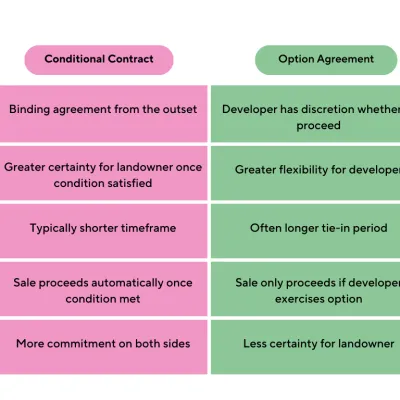
Conditional Contracts v Option Agreements: Which is right for you?
Sophie Fletcher, from our Agriculture & Rural Team, explains Conditional Contracts vs Option Agreements, helping landowners understand risks, benefits and development land options.

Navigating wayleaves and easements: What should I do when a utility provider contacts me?
Emma Richmond, Solicitor in our Rural Property Team, explains the key differences between wayleaves and easements to landowners, and outlines the practical steps you should take when approached by a utility provider.

Getting to know Amandeep Dhillon
Get to know Amandeep Dhillon, from our Dispute Resolution Team, including his experience, focus areas and approach to resolving real estate disputes.

Commercial Litigation and Dispute Resolution expert joins Hay & Kilner
Hay & Kilner welcomes a commercial litigation and dispute resolution expert to its team, strengthening the firm’s capability to support complex legal disputes with specialist expertise.

Duo of promotions at Hay & Kilner
We are delighted to announce the promotion of Kayleigh Bell and Sophie Fletcher to Associate, demonstrating our commitment to supporting future talent.

What landowners need to know about solar farm planning and development
Joanne Milne, Head of our Rural Team, explains solar farm development plans, covering legal, planning and landowner considerations for renewable energy projects. is shining a light on solar development plans in the rural and agricultural industry.
Leave us a message
Send us your query and we will be back in touch as soon as possible.
For the latest insights, updates and events join our mailing list